
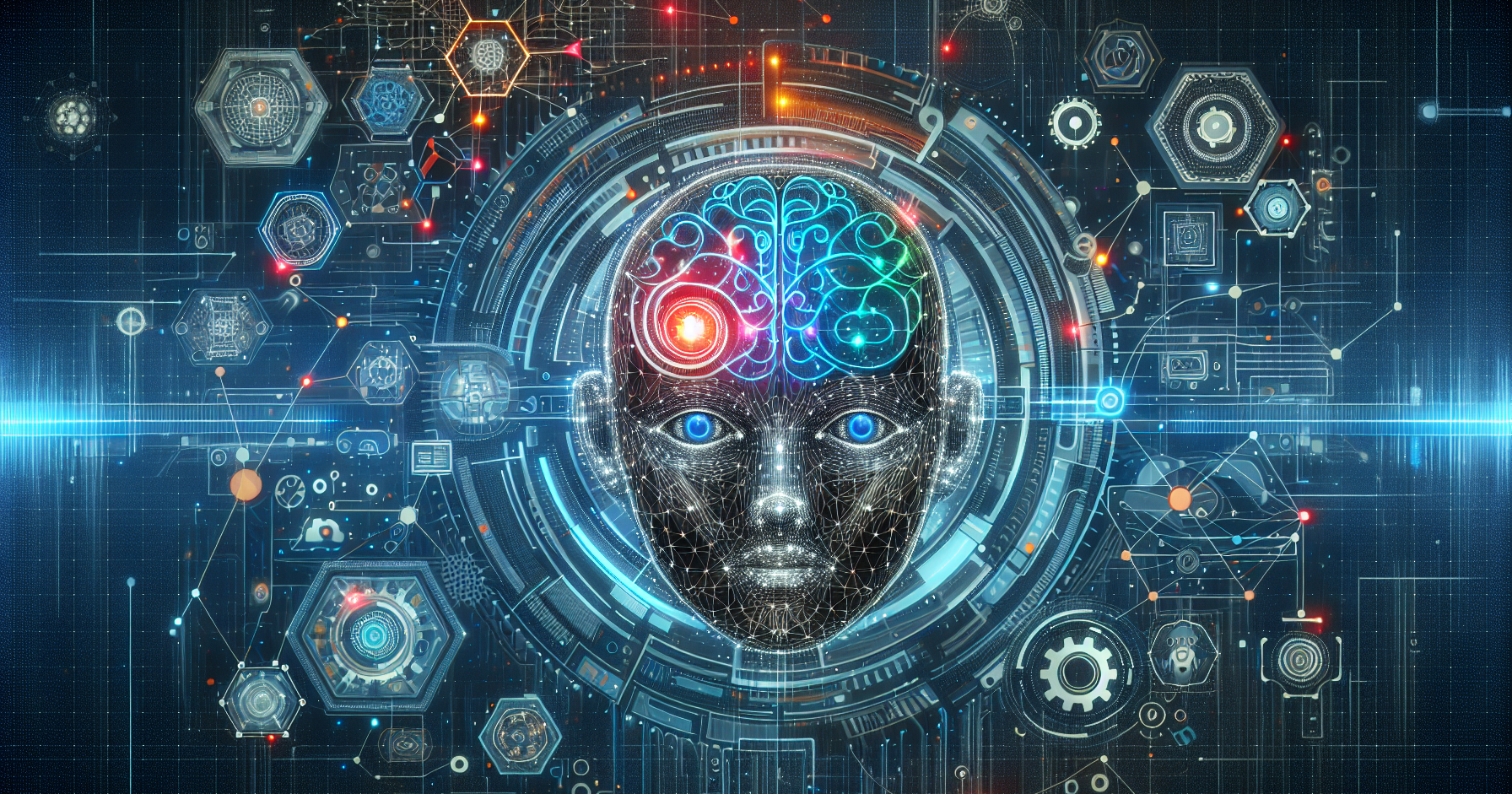
Instant AI translation technology stands as a monumental leap in human communication, fundamentally reshaping how individuals and organizations interact across linguistic divides. Far beyond the rudimentary phrase-by-phrase conversions of early machine translation, today’s instant AI systems leverage sophisticated artificial intelligence to deliver real-time, contextually aware, and remarkably fluid language transformations. At its core, this innovation is powered by Neural Machine Translation (NMT), a paradigm shift from statistical or rule-based methods. NMT models, typically built using deep learning architectures like recurrent neural networks (RNNs) or transformer networks, are trained on vast corpora of parallel text data, learning to map entire sentence structures and their underlying meanings from one language to another, rather than merely translating individual words. This holistic approach allows NMT to capture nuances, idiomatic expressions, and grammatical complexities with an unprecedented level of accuracy, making translations sound significantly more natural and human-like.
The technological bedrock of instant AI translation is deeply intertwined with advancements in deep learning and the proliferation of large language models (LLMs). These models possess billions or even trillions of parameters, enabling them to comprehend and generate human language with remarkable proficiency. For real-time applications, these LLMs are often fine-tuned or utilized in conjunction with specialized NMT systems optimized for low-latency processing. The process involves several intricate steps: speech recognition (if the input is audio), natural language understanding (NLU) to interpret the source text’s meaning, the NMT engine converting this meaning into the target language, and finally, natural language generation (NLG) to produce the translated output, often followed by text-to-speech synthesis for audio output. This entire pipeline must execute within milliseconds to maintain the illusion of seamless, instantaneous communication, demanding immense computational power and highly optimized algorithms.
The applications of instant AI translation are already profoundly diverse and continue to expand. In the realm of global business, it facilitates instantaneous communication during international conference calls, virtual meetings, and cross-border collaborations, effectively dissolving language barriers that once impeded rapid decision-making and market expansion. E-commerce platforms utilize it to localize product descriptions and customer reviews in real-time, opening up new markets and enhancing user experience for diverse customer bases. Customer support operations benefit immensely, allowing agents to communicate efficiently with clients worldwide without requiring extensive multilingual staff. For travelers, instant translation devices and apps have become indispensable, enabling seamless interactions with locals, ordering food, or navigating foreign cities, transforming what was once a daunting linguistic challenge into an effortless exchange.
Healthcare is another sector where instant AI translation is proving revolutionary. It bridges critical communication gaps between medical professionals and patients from different linguistic backgrounds, ensuring accurate symptom descriptions, treatment explanations, and informed consent. This is particularly vital in emergency situations where every second counts. Educational institutions leverage this technology to provide multilingual learning environments, offering real-time captions for lectures or translating educational materials, thereby democratizing access to knowledge for students globally. In personal use, it empowers individuals to consume foreign language content, engage in online communities, or communicate with friends and family across borders, fostering greater cultural understanding and connectivity. Media and entertainment industries are exploring real-time dubbing and subtitling, potentially transforming how global content is produced and consumed.
The benefits derived from instant AI translation are manifold. Primarily, it offers unparalleled speed and efficiency, delivering translations in seconds or milliseconds, a stark contrast to the days or weeks required for human translation services. This speed translates directly into cost-effectiveness, reducing the significant expenses associated with traditional translation. Furthermore, it dramatically enhances accessibility and inclusivity, providing a voice to those who might otherwise be marginalized by language barriers. By facilitating seamless global collaboration, it accelerates innovation, fosters stronger international relations, and drives economic growth. The reduction in misunderstandings, often a byproduct of miscommunication, builds trust and improves outcomes in various professional and personal contexts. Ultimately, it contributes to the democratization of information, making knowledge and communication available to a wider, more diverse audience than ever before.
However, the technology is not without its challenges and limitations. While NMT has achieved remarkable accuracy, it still struggles with capturing subtle nuances, highly specific cultural contexts, sarcasm, humor, and complex idiomatic expressions. Domain-specific jargon, particularly in highly technical or legal fields, can also pose difficulties, requiring specialized training data and models. Ethical concerns around data privacy are paramount, especially when real-time conversations are processed by cloud-based AI systems. There is also the potential for bias embedded within the training data to be perpetuated or even amplified, leading to translations that reflect societal stereotypes or inaccuracies. The computational demands for real-time processing require robust hardware and stable internet connectivity, limiting its effectiveness in offline environments or regions with poor infrastructure. Moreover, while AI can translate words, it
Related Articles
Unlocking Insights: AI-Powered Diagnostics for Better Patient Outcomes
AI-powered diagnostics are fundamentally reshaping the landscape of modern medicine, moving beyond traditional methods to offer unprecedented precision,…
 aiptstaff
AI Revolutionizes Scientific Discovery
AI Revolutionizes Scientific Discovery: A Paradigm Shift in Research Scientific discovery, the cornerstone of human progress, is undergoing…
aiptstaff
Digital Twins: Virtual Replicas for Optimizing Real-World Systems
Digital Twins: Virtual Replicas for Optimizing Real-World Systems Digital twins represent a groundbreaking evolution in how we design,…
aiptstaff
Leave a Reply